


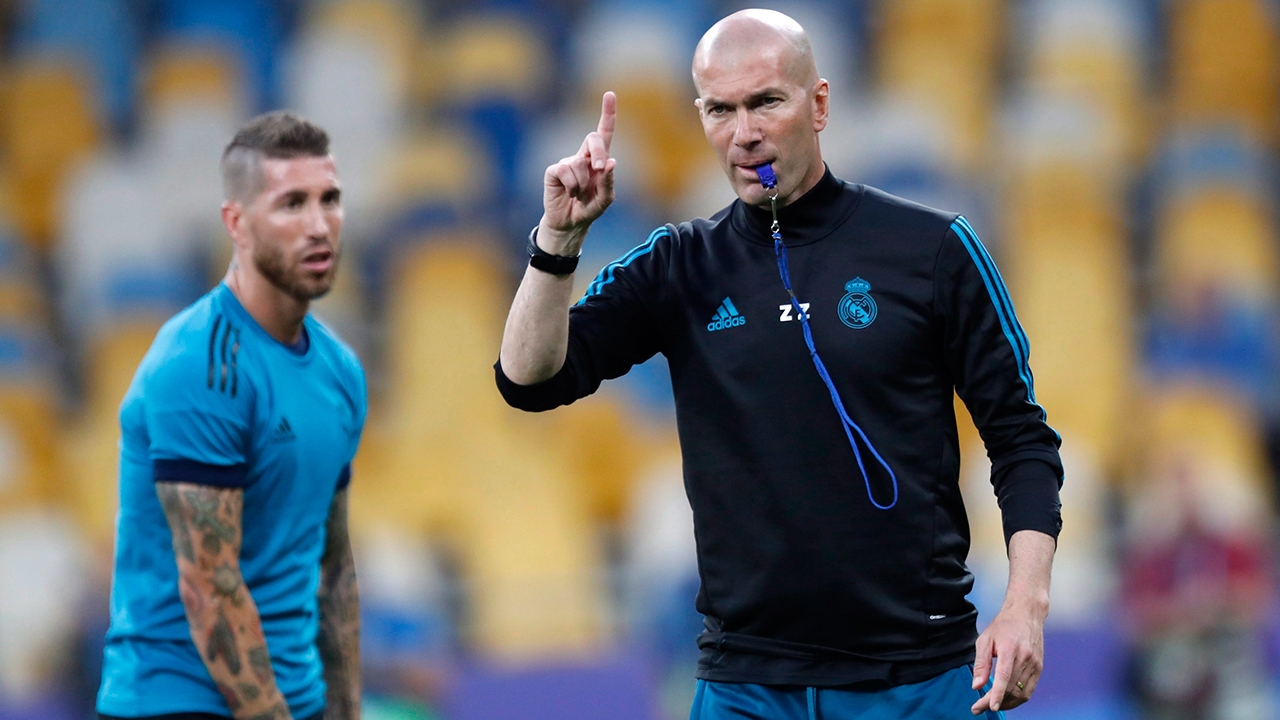
On January 4, 2016, Real Madrid made a decision that raised more than a few eyebrows. Rafael Benítez was dismissed. Zinedine Zidane—a legend on the pitch but almost a complete unknown at the elite coaching level—was handed the keys to the Bernabéu. At the time, Zidane’s résumé included work with the youth team and a stint as an assistant. Nothing more.
Real Madrid were not short on stars back then. What they lacked was direction. The locker room was weighed down by egos, pressure, and seasons that never quite found balance. Few could have imagined that what looked like a risky gamble would open the door to one of the most glorious eras in Champions League history.
Three consecutive Champions League titles were not just shiny silver trophies. They marked a milestone that modern football—crowded schedules, relentless competition, razor-thin margins—may never be able to replicate. Florentino Pérez once said, “Zidane did something that will probably never happen again.” It wasn’t marketing rhetoric. It was a blunt acknowledgment from someone who knows exactly how the Bernabéu works.
Authority Without Obsession Over Tactics
Zidane did not walk into the locker room armed with long speeches or intricate tactical diagrams. He walked in with the authority of an icon. Cristiano Ronaldo, Sergio Ramos, Luka Modrić, Toni Kroos—big personalities, stars accustomed to special treatment—all found common ground with Zidane in one word: respect.
Sergio Ramos once admitted that the hardest part of managing Real Madrid isn’t tactics, but dealing with egos, pressure, and history. Zidane handled that with calm. He didn’t impose himself. He listened. But when decisions had to be made, he never hesitated.
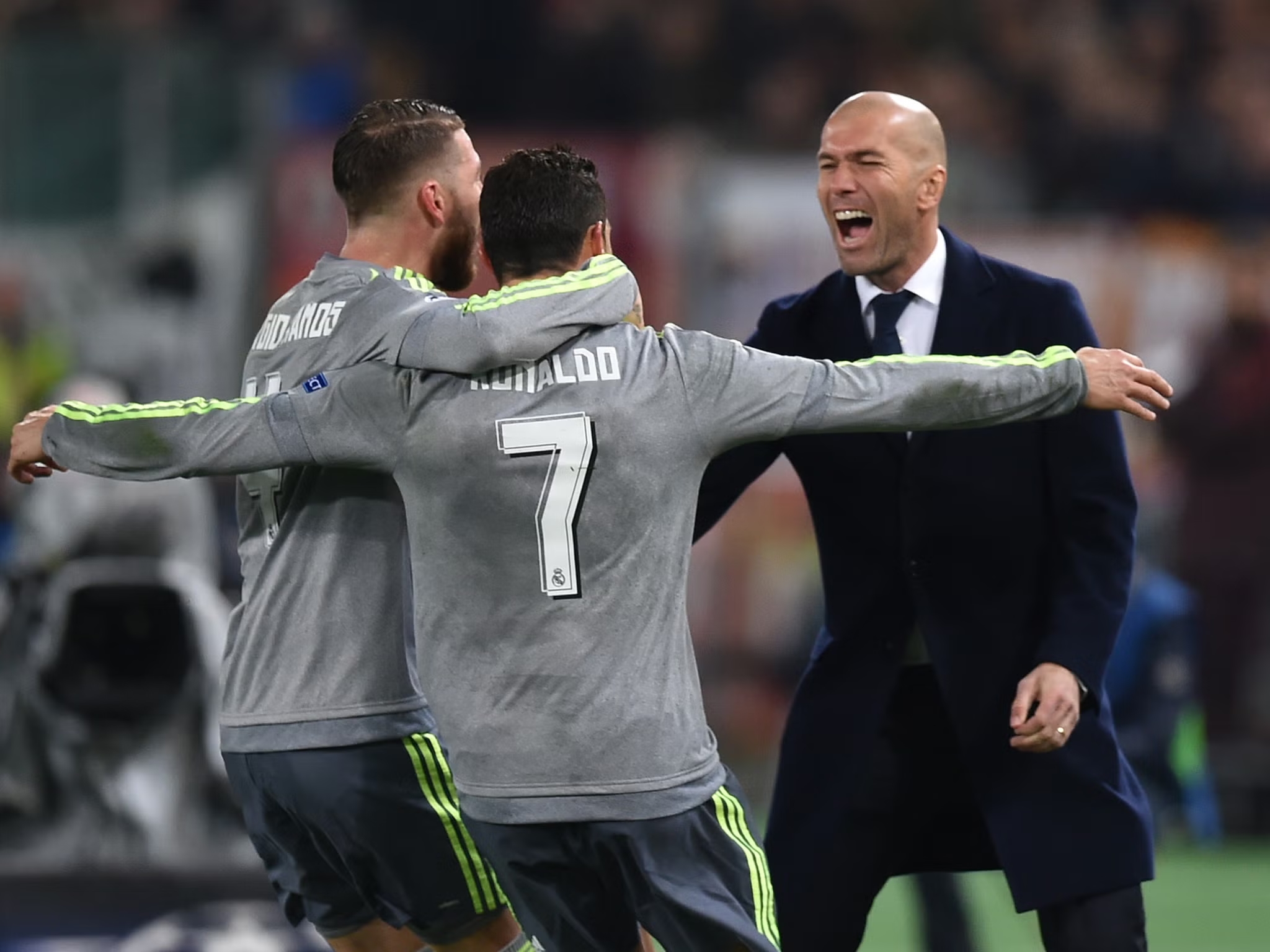
Zidane created a unique atmosphere: stars were free to be themselves, but never at the expense of the collective. When change was needed, he adjusted subtly. When sacrifice was required, he acted decisively.
A Real Madrid That Never Panicked
Those three Champions League seasons revealed a very different Real Madrid. They didn’t always dominate their opponents. There were matches where they were second-best. Moments when they were under siege. But they never panicked.
Zidane’s Real Madrid always survived the decisive moments. Not because of luck. Because of composure built through training sessions, quiet conversations, and trust between Zidane and his leaders. When games reached their final minutes, when pressure peaked, that team simply believed they would win.
In an era where managers are scrutinized for every formation and possession stat, Zidane represented a different school of thought. He understood that at Real Madrid, tactics are necessary—but belief is decisive. When players trust their leader, they push beyond their own limits.
A Feeling the Bernabéu Has Yet to Fully Rediscover
Ten years on, Real Madrid remain powerful, ambitious, and successful. Titles still come. But the feeling that “entering the Champions League means lifting the trophy” has faded. Zidane didn’t just bring silverware. He created a mindset—a mental state the Bernabéu has yet to fully rediscover.
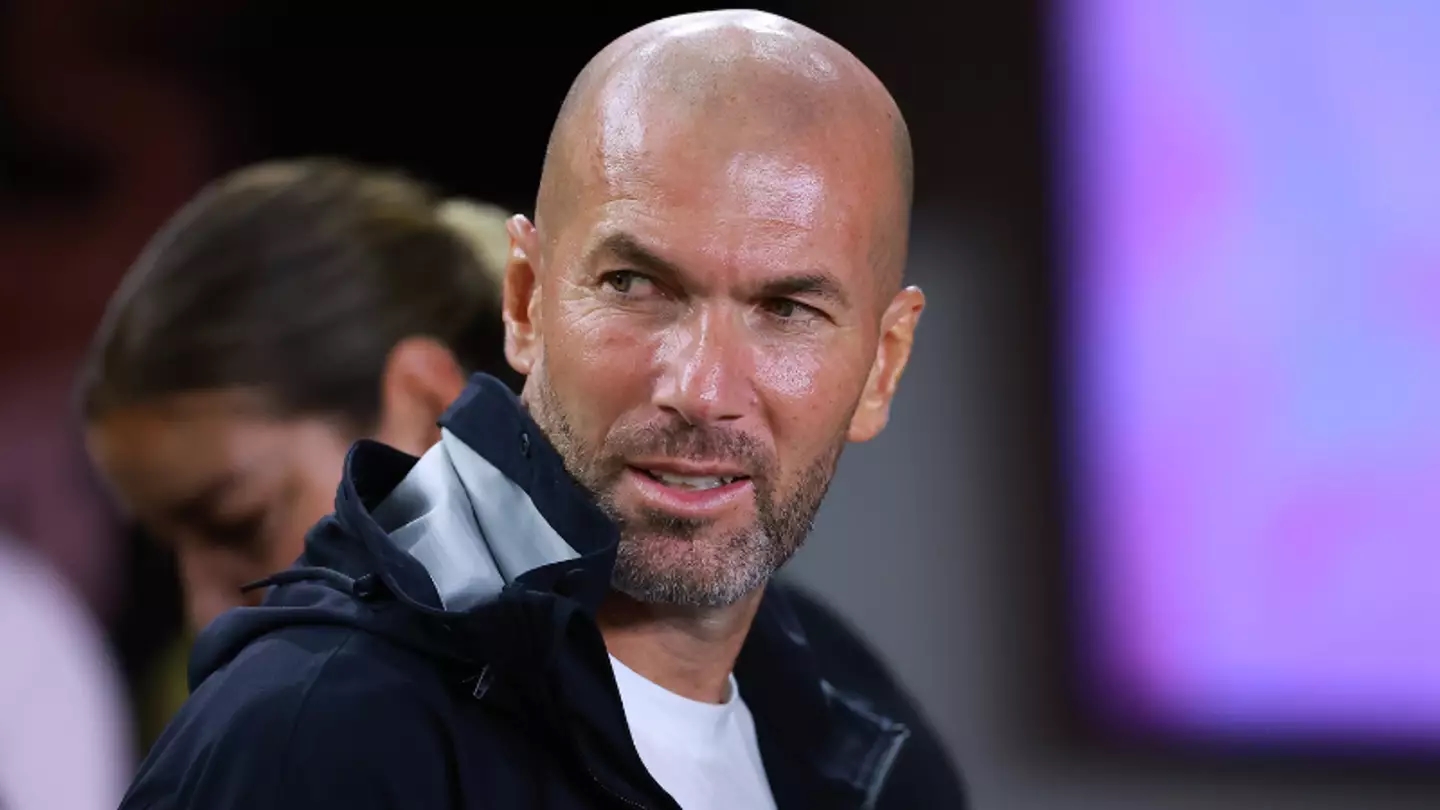
Modern football is increasingly unforgiving. The calendar is more congested. Locker rooms are filled with social media, personal brands, and commercial pressure. Against that backdrop, three consecutive Champions League titles feel almost unreal.
And that is why, ten years after Zidane first took that seat, he is remembered as more than a successful coach. He is remembered as the man who closed a chapter of history that cannot be repeated.
Zidane’s Real Madrid was an era of calm in the middle of the storm—an era that today’s football can only admire from afar.