


I’ve always believed that leaving Liverpool was the bravest decision of Alexander-Arnold’s career. Very few players dare to walk away from a club where they are a symbol—where every run, every pass is tied to memories, trophies, and unconditional trust. But bravery doesn’t mean ease. And Real Madrid, it turns out, has been an even harsher test than many expected.

At the Bernabéu, Alexander-Arnold is no longer the center of the system. He no longer has total freedom to pass, to take risks, to make mistakes and fix them. Everything moves faster, colder, and with far less patience. Injuries arrived at the wrong moments, form fluctuated, and the feeling of being out of sync kept returning every time he stepped back onto the pitch.
People began talking numbers. Manchester United or Newcastle willing to pay €40 million. Real Madrid bought him cheaply, so selling him wouldn’t mean a loss. But football is not just about profit and balance sheets. For a player like Alexander-Arnold, the bigger issue is confidence—the very thing that once made him different.
Watching Alexander-Arnold in a Real Madrid shirt, I often feel like he’s trying to become a “proper Bernabéu version” of himself rather than simply being Trent. Less risk-taking, fewer forward runs, more caution in every pass. That’s not the Alexander-Arnold we knew at Liverpool—the kid who could whip in a ball that made all of Anfield hold its breath.
Still, it would be unfair to say Real Madrid were wrong to believe in him. In a squad full of stars, Alexander-Arnold possesses something very few fullbacks have: the mind of a midfielder, the vision of a playmaker, and a rare elegance on the ball. The real question is time—and whether Real Madrid are willing to be patient.
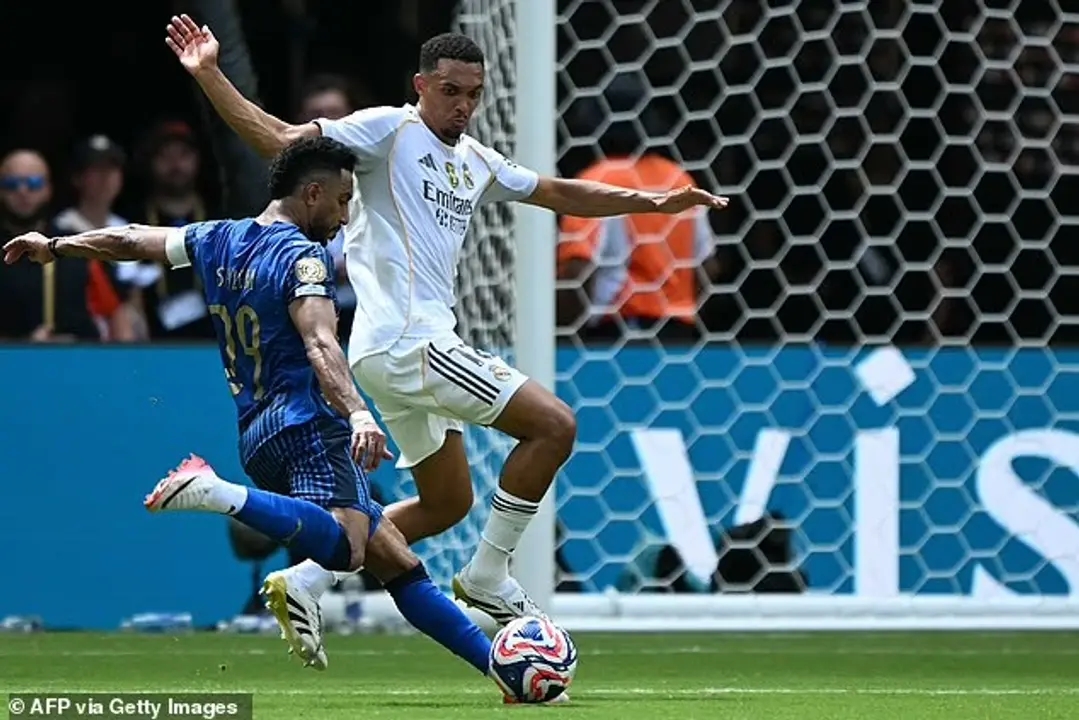
As for Alexander-Arnold, I don’t believe he ever intended to leave the Bernabéu quietly. He didn’t come here to “see what it’s like,” but to prove he could survive—and shine—in the harshest environment of all. Yet sometimes, football, like life, doesn’t reward effort with belonging.
If one day he returns to the Premier League, I wouldn’t see it as a step backward. It might simply be a way for a player to rediscover himself—to feel trusted again, to be at the center of the story. And perhaps only after going far enough does Alexander-Arnold truly understand where he belongs.
The Bernabéu may not be his home. But this journey, however it ends, will remain a defining chapter in Alexander-Arnold’s growth—not just as a footballer, but as someone brave enough to step beyond his comfort zone.