


Modern football talks endlessly about structure—about controlling space, pressing systems, build-up patterns, positional play. The Champions League has become a competition of tactical minds, where every detail is dissected and quantified by data. And yet, within that current, Zidane existed as a paradox.
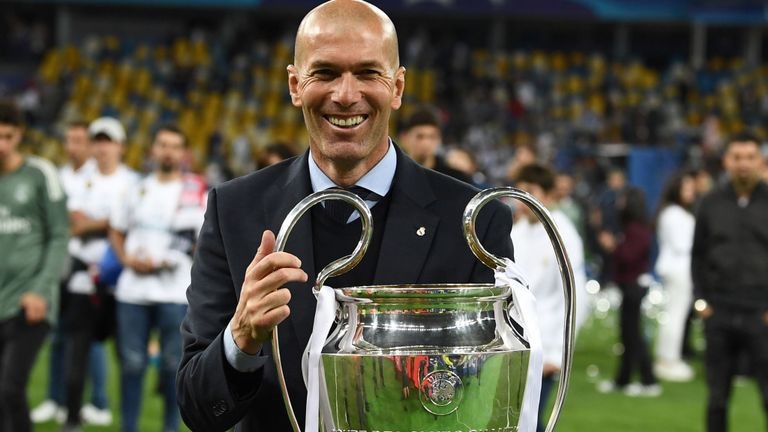
He was never a coach obsessed with complex systems. Nor was he a tactical revolutionary. Zidane won the Champions League with something far simpler—and far harder to master: making his players believe they would win, no matter what was happening on the pitch.
The belief Zidane created did not come from fiery speeches. It came from calm. From the way he stood quietly on the touchline when Real Madrid were under pressure. From an unshaken gaze in moments when an entire stadium held its breath. Zidane gave his team the feeling that everything was under control, even when reality suggested otherwise.
Three consecutive Champions League titles cannot be explained by luck. Nor can they be reduced to squad quality alone. Zidane’s Real Madrid often played poorly by their own standards. There were matches where they were outplayed, pinned back, even labeled underdogs. But they never collapsed. They waited. And when the moment arrived, they struck with cold precision.
This was football built on accumulated belief—belief in oneself, belief in teammates, belief in the manager, belief that history would be on their side if panic never set in. Zidane understood Real Madrid better than anyone: a team that doesn’t need to dominate for 90 minutes, but must prevail when the decisive moment comes.
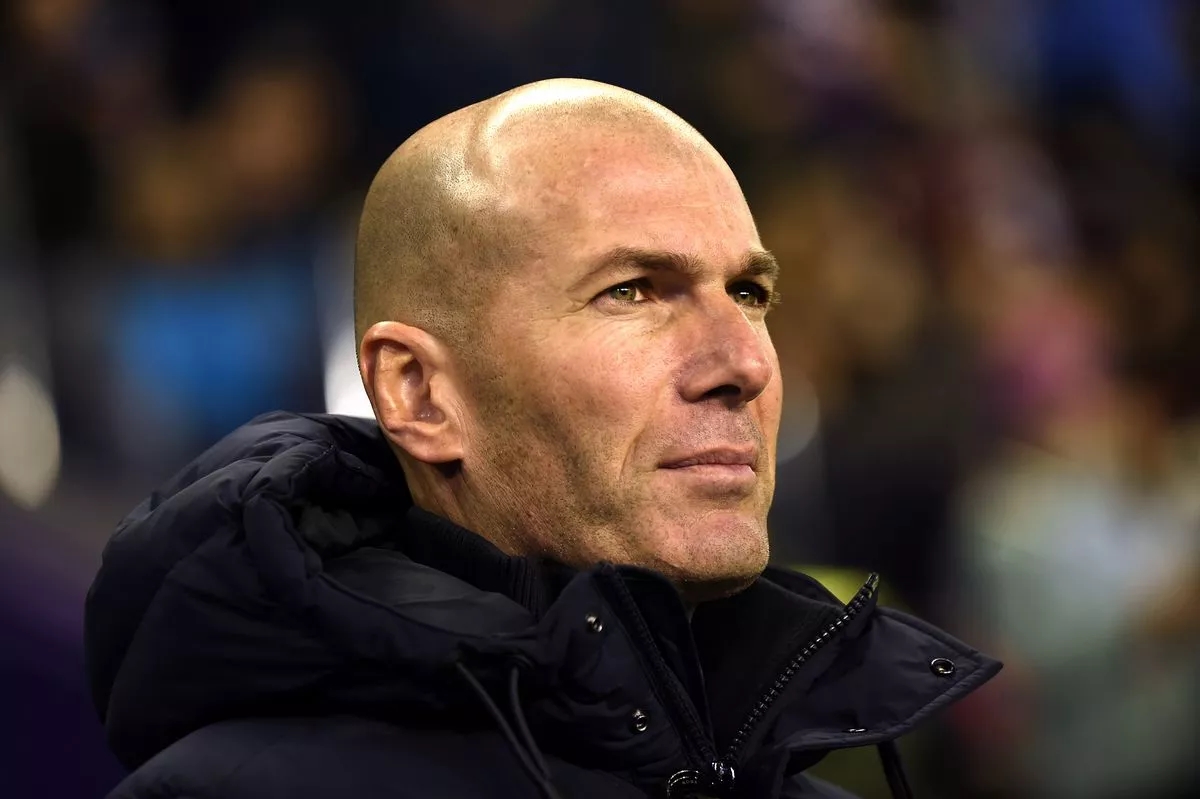
What made Zidane special was that he never imposed belief. He never demanded that players believe in him. Instead, he made them believe in themselves. Cristiano Ronaldo was free to be Cristiano Ronaldo. Sergio Ramos could live by his leader’s instinct. Modrić and Kroos controlled games in the way they understood best. Zidane stood behind it all, ensuring nothing crossed the line.
In the age of social media, locker rooms have become increasingly fragile. Egos are bigger. Media pressure is heavier. Modern coaches often rely on rigid structures and strict rules to maintain control. Zidane was different. He managed the locker room through authority and understanding. That is precisely why what he achieved is almost impossible to repeat.
Today, the Champions League is still being won. But it rarely carries the same sense of inevitability as it did in Zidane’s time. Current champions tend to triumph through superior systems, not through absolute belief. Zidane represents an era when elite football still had room for emotion, psychology, and calm in the middle of chaos.
There may never be another coach who wins the Champions League the way Zidane did. Not because others lack talent, but because football itself has changed. And belief—that invisible weapon—has fewer and fewer places to survive.
Zidane was not just a Champions League winner. He was the man who closed an era—an era in which belief, not algorithms, was what carried a team to the top of Europe.