


Football shirts have officially left the stadium and entered the high-fashion runway. They call it “Blokecore.”
On the surface, it looks like the golden age of football culture. But dig a little deeper, and you have to ask: Is this appreciation, or is it just fast fashion in disguise? As prices skyrocket and clubs release fourth (and even fifth) kits every season, the line between supporting a team and feeding a corporate machine is becoming dangerously blurred.
1. The Badge: Loyalty or Logo?
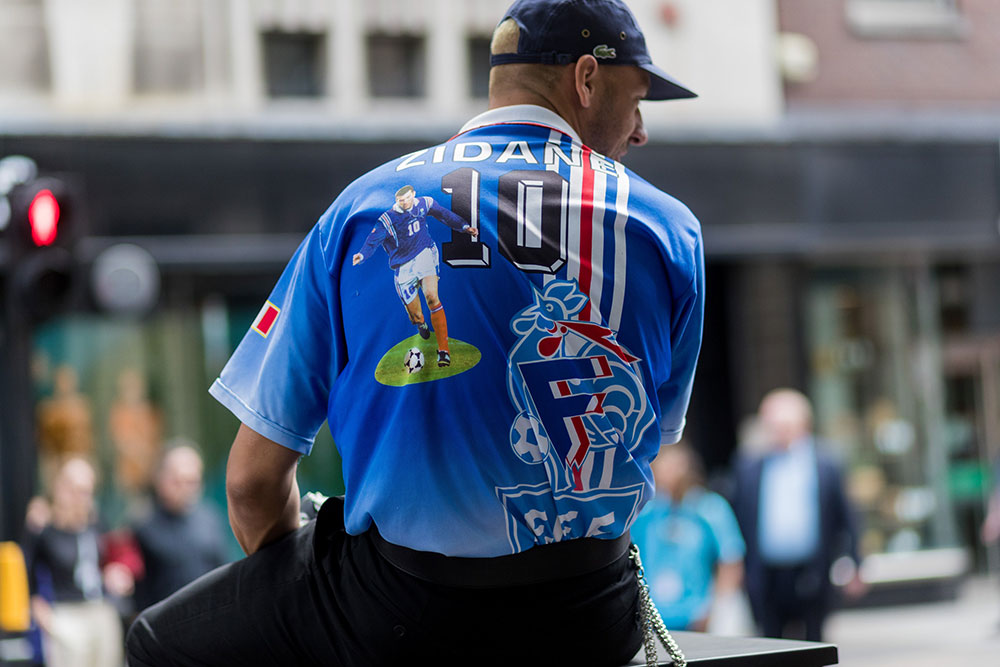
For decades, putting on a football shirt was a tribal act. It was a pledge of allegiance. You wore the colors because you bled for the club, through the relegation battles and the cup final glories.
Today, the football jersey has become a sartorial statement, divorced from its meaning. We see influencers wearing PSG shirts not because they know who Pauleta or Rai are, but because the Jordan collaboration looks “clean” on Instagram.
There is nothing inherently wrong with fashion. But when the badge becomes just another logo—no different from a Supreme box logo—the emotional weight of the sport gets watered down. We are trading identity for aesthetic.
2. The $150 Problem
Let’s talk about the elephant in the room: The Price.
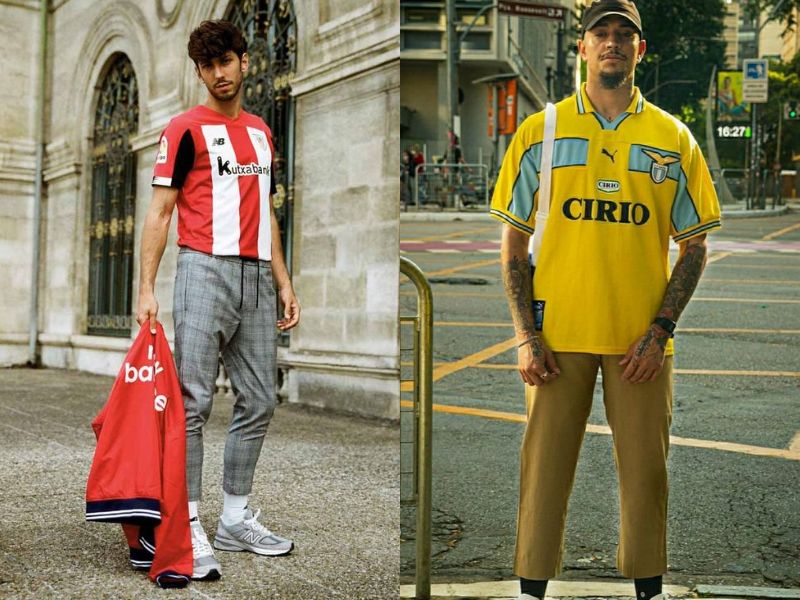
Major manufacturers have realized that fans (and fashionistas) will pay a premium for nostalgia. A standard “Authentic” match jersey now costs upwards of $150 USD. Add a name set and badges, and you are looking at nearly $200.
This pricing strategy exploits the die-hard fan. Clubs are no longer content with a Home and Away kit. We now have Third kits, Fourth kits, “Special Edition” kits, and pre-match warm-up ranges. It feels less like supporting a club and more like a subscription service that you never signed up for.
Editor’s Note: At Men’s Sports & Lifestyle, we love gear. But we value value. Paying $180 for a polyester shirt that pills after three washes isn’t an investment; it’s a robbery.
3. Reclaiming the Culture
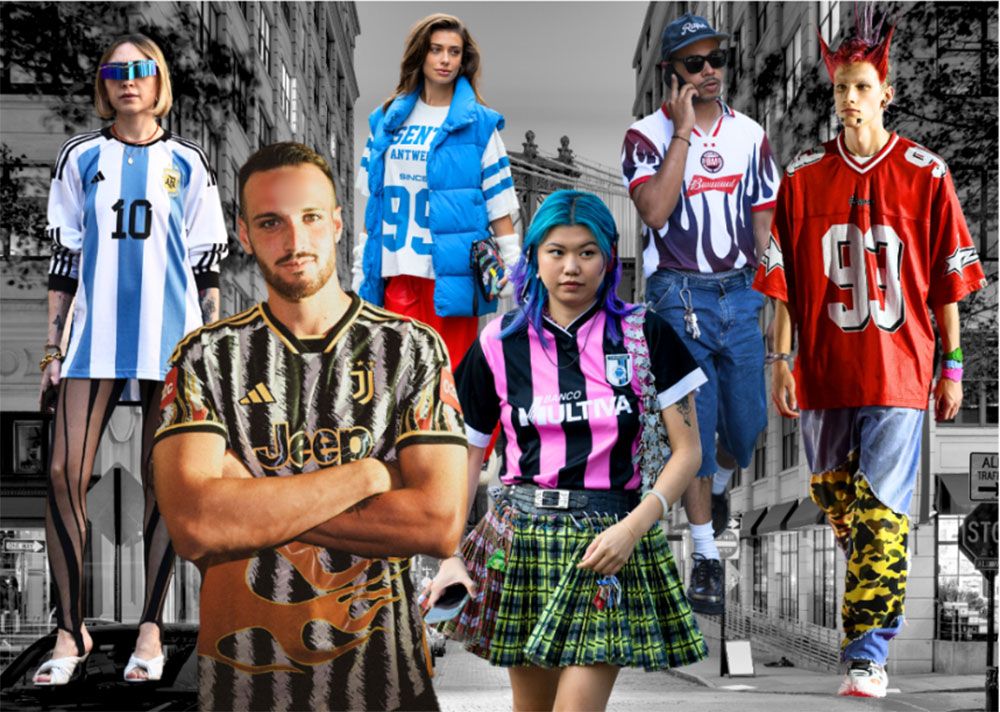
So, should we stop buying kits? Absolutely not. The football shirt is still the most beautiful piece of sportswear ever invented.
But maybe it’s time to shift how we consume them.
Support the Retro: Instead of buying the latest overpriced template from Nike or Adidas, hunt for vintage gems. They hold their value and carry real history.
Buy Local: Support lower-league clubs (Sunday League or Tier 3-4 teams). Their kits are often unique, affordable, and the money actually helps the club survive.
Wear with Intent: Wear the shirt because you love the game, the player, or the design—not just because a TikTok trend told you to.
Football is for everyone, and so is its fashion. But let’s make sure we own the shirts, rather than letting the marketing machine own us.