


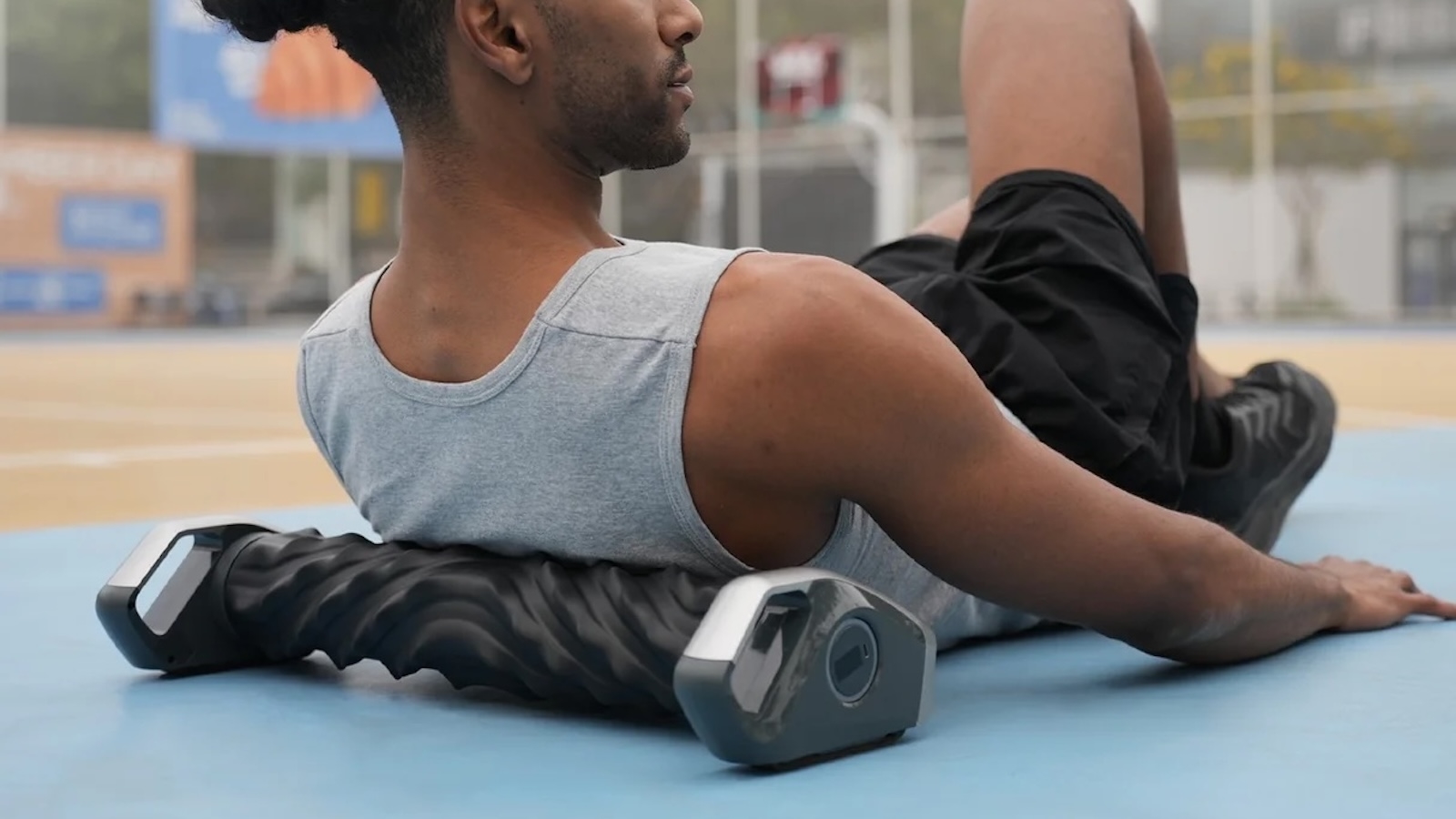
The Real Problem With Foam Rolling (And Why Most People Quit)
I’ve owned more foam rollers than I care to admit.
They start with good intentions, then slowly migrate to a corner of the room where they collect dust. Not because they don’t work, but because they demand effort at the exact moment you have the least motivation.
After workouts, foam rolling often feels like:
- Another chore
- Another source of discomfort
- Another thing you rush instead of doing properly
Over time, skipping recovery becomes the norm, not the exception.
Why I Started Looking for an At-Home Recovery Device
The more consistently I trained, the more obvious the gap became.
Strength gains slowed. Tightness lingered longer. Small aches showed up more frequently. From experience, I knew recovery wasn’t optional — it was the missing piece.
What I wanted wasn’t a spa gadget or a vibration toy. I wanted something that:
- Did the work for me
- Delivered consistent pressure
- Didn’t rely on willpower
That’s what led me to RheoFit A1.
What RheoFit A1 Actually Does Differently
RheoFit A1 isn’t just a foam roller with a motor.
It’s a robotic massage roller designed to actively move under your body instead of waiting for you to push against it. You position yourself, stay still, and let the machine handle the motion.
The difference becomes obvious within minutes. Recovery feels calmer, more controlled, and less rushed. Instead of fighting gravity and fatigue, you’re able to relax while still getting deep tissue work.
How It Feels During Real Recovery Sessions
The rolling motion is slow, deliberate, and consistent.
That matters more than people realize. Sudden pressure changes often cause muscles to tense up, which defeats the purpose of recovery. RheoFit A1 avoids that by maintaining an even rhythm across each pass.
I’ve used it for:
- Hamstrings and calves after leg days
- Glutes after heavy squats
- Upper back after long desk sessions
Each session feels intentional, not improvised.
Smart Modes That Actually Respect Your Body
The companion app isn’t just there for show.
RheoFit A1 offers several modes, including an AI-assisted option that adjusts rolling speed and pressure based on resistance and muscle tension. In practice, this means the device adapts instead of overpowering.
From a recovery perspective, this aligns with what sports therapists often recommend:
- Gradual pressure
- Controlled tempo
- Avoiding excessive force
The result is “good pain” — the kind that releases tension instead of creating more.
Deep Tissue Power Without Feeling Unsafe
Power alone doesn’t make a recovery device effective.
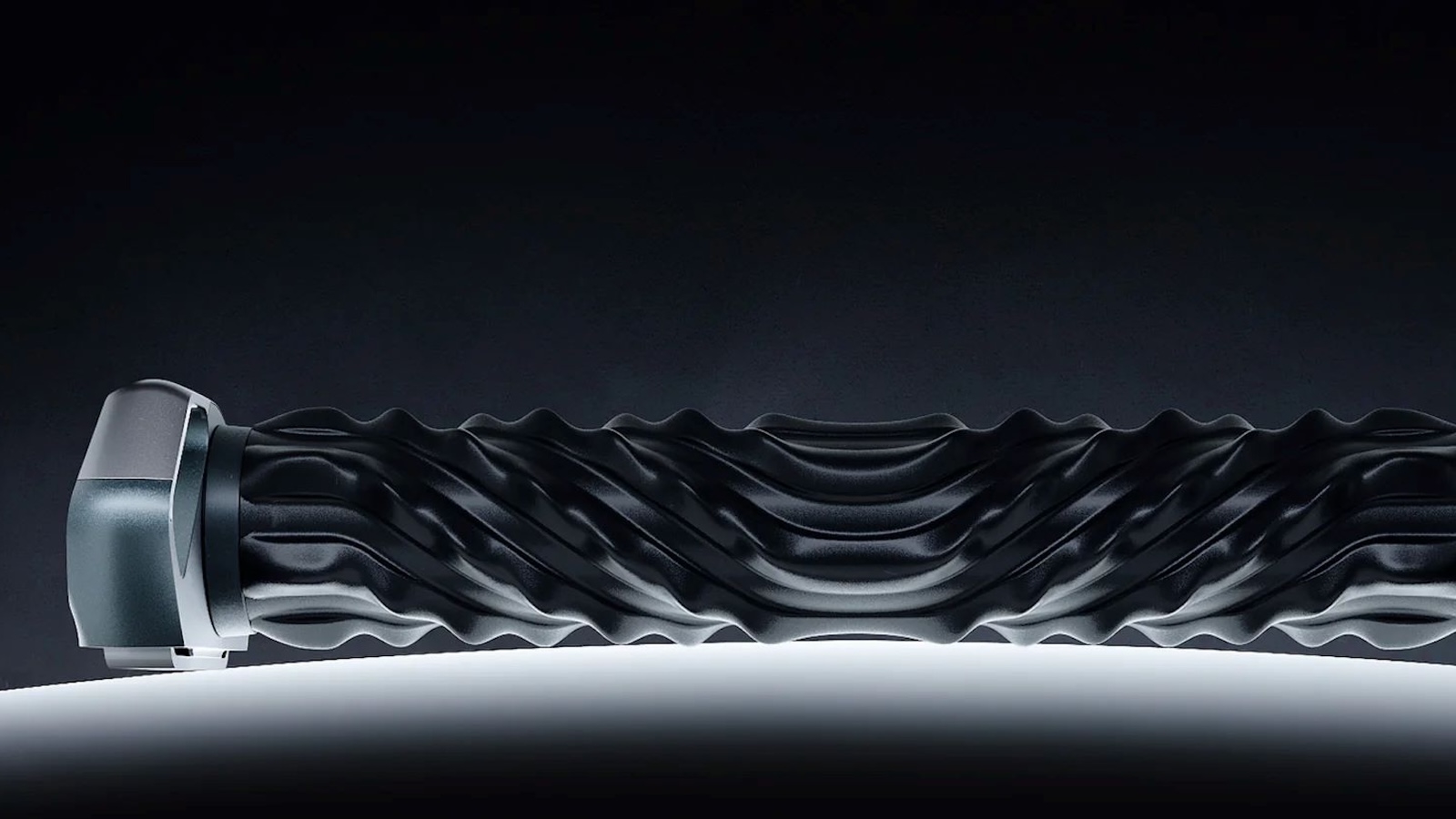
RheoFit A1 supports up to 300 lbs and uses 84 massage contact points, but the pressure distribution is what makes it usable daily. It feels deep without being reckless, firm without crossing into discomfort that triggers guarding.
This balance is critical, especially for:
- Lower back-adjacent muscle groups
- Glutes
- Hamstrings
You feel worked — not beaten up.
Adjusting the Experience With Interchangeable Heads
Recovery needs change from day to day.
Some days call for light flushing. Others need deeper release. RheoFit A1 allows that through interchangeable roller heads, making it adaptable instead of one-dimensional.
Personally, I rotate based on:
- Training intensity
- Overall soreness
- Time available
That flexibility helps keep recovery consistent rather than skipped.
Battery Life and Everyday Practicality
One underrated factor in recovery tools is convenience.
RheoFit A1 offers up to 360 minutes of use per charge, charged via USB-C. In real-world terms, that means you’re not constantly thinking about battery levels or cables.
It sits ready when you need it — which matters more than specs on paper.
Who RheoFit A1 Makes the Most Sense For
From experience, this device shines for people who value consistency over intensity.
It’s ideal if you:
- Train multiple times per week
- Sit long hours at a desk
- Struggle with tight hips or legs
- Skip recovery because you’re tired
It’s less suitable if you’re only looking for relaxation or vibration-based massage.
Why At-Home Recovery Is Becoming Essential in the US
Recovery culture in the US is shifting.
People want tools that:
- Save time
- Reduce friction
- Fit into real routines
RheoFit A1 reflects that trend. It doesn’t promise miracles. It simply removes the biggest barrier to recovery: effort.
Final Thoughts: Consistency Beats Everything
RheoFit A1 didn’t make recovery more intense.
It made it easier to show up for it, even on days when motivation was low. And in the long run, consistency is what actually keeps your body moving, training, and improving.
For me, that alone makes it worth considering.
Read original post on: //mentrending.com/rheofit-a1-review/