


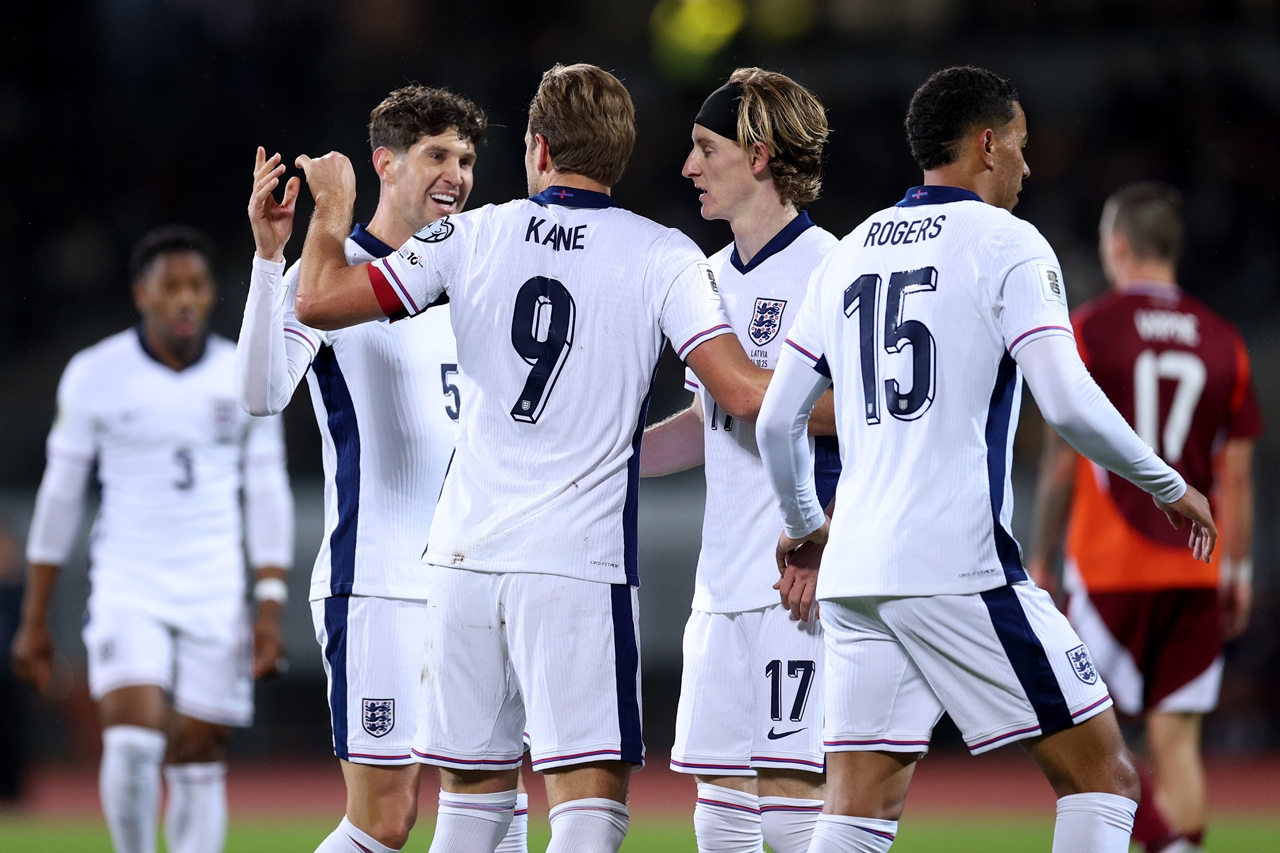
Normally, the conversation around England ahead of a World Cup revolves around squad selections, title hopes, or memories filled with equal parts optimism and disappointment. But for the 2026 edition, the narrative appears to be moving in a very different direction.
On the surface, a tournament hosted by the United States, Canada, and Mexico is nothing unusual. However, sensitive developments off the pitch—particularly those involving the U.S., one of the three host nations—have inadvertently pulled football into a zone of controversy it would rather avoid.
From a purely sporting perspective, England have every reason to be excited. A group featuring Croatia, Ghana, and Panama is far from easy, but it is balanced enough for the Three Lions to dream of a deep run. Scotland, meanwhile, are in a different position altogether. Simply returning to the World Cup after nearly three decades would already be a milestone, even if a group that includes Brazil and Morocco sounds daunting at first glance.
Yet instead of debates about tactics or qualification chances, public discussion in England has increasingly shifted toward a different issue: whether the teams should go at all. Some voices in political circles argue that taking part in a World Cup held in the U.S. at this time could send a sensitive message, or even be seen as “turning a blind eye” to controversial issues.
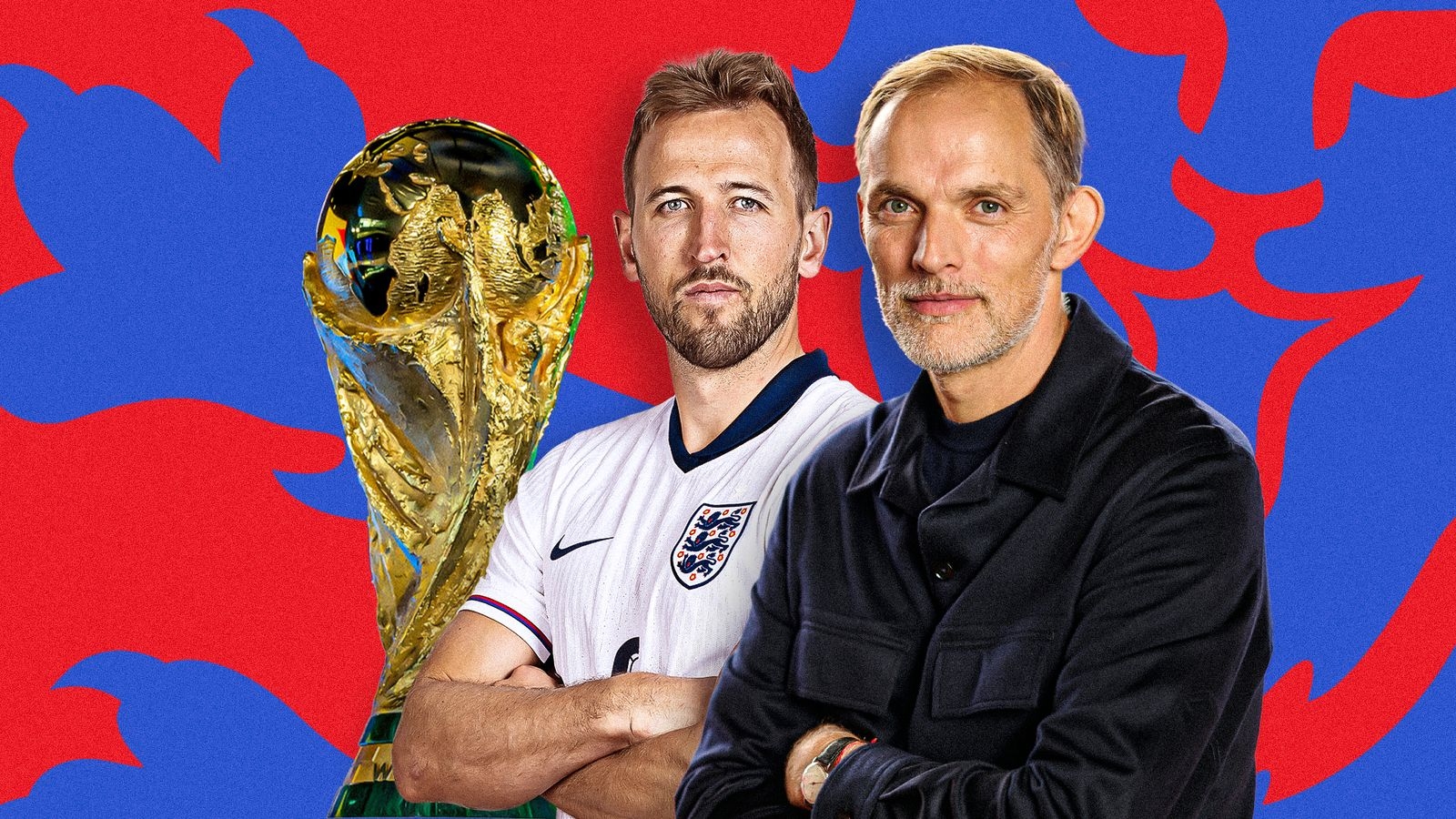
The most hardline views go further, calling on both England and Scotland to boycott the 2026 World Cup as a statement of principle. It sounds bold and decisive, but when placed in the reality of football, it becomes a far more complicated proposition.
For players, the World Cup is not just another tournament. It is a lifelong dream, something that can define an entire career. For fans, it means sleepless summer nights and a deep sense of national pride. That is why it comes as little surprise that football associations and experts have chosen cautious silence rather than rushed reactions.
Football has long been seen as a space where people can temporarily escape the pressures of society. Yet reality shows that sport is finding it increasingly difficult to stay detached from the world’s bigger issues.
The 2026 World Cup has not begun, qualification is not even complete, but England are already engaged in a different kind of “match”—one between ideals, politics, and football’s pure, simple desire to be played. And perhaps unsurprisingly, the final answer will be anything but simple.
Read original post on: //mentrending.com/public-opinion-urges-england-to-skip-the-2026-world-cup/