


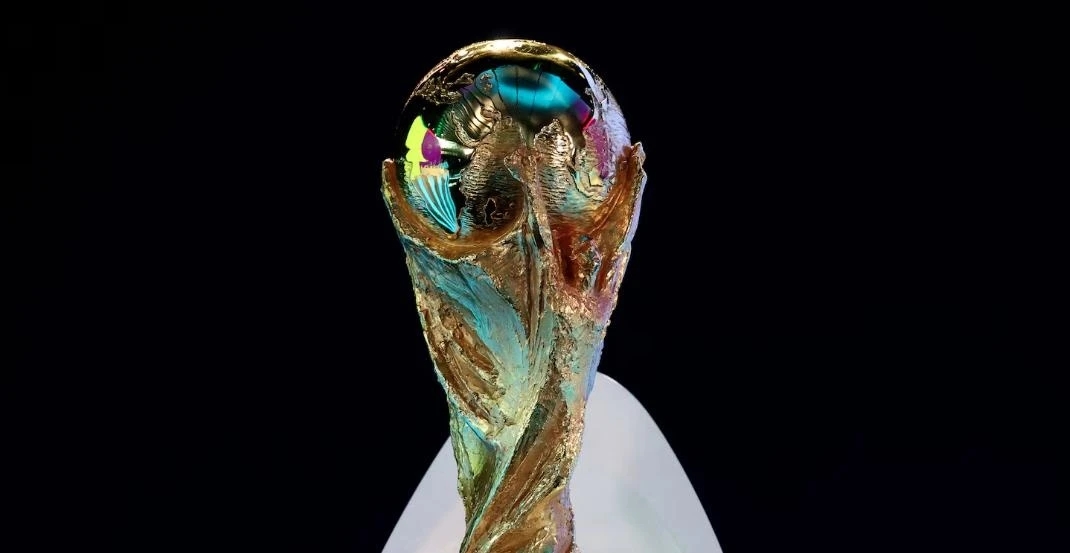
When a familiar name risks disappearing
Like it or not, imagining a World Cup over the past decade without Iran feels strange. They’ve never been loud or flashy, but Iran have always shown up as the classic “awkward opponent” in every group. Not title contenders, yet always a team that makes even the giants think twice.
That’s why, as talk grows about Iran potentially missing the 2026 World Cup, it no longer feels like background noise. It feels like a familiar puzzle piece that might suddenly be pulled out of a picture that was supposed to be carefully planned from start to finish.
World Cup 2026 is expected to be the biggest ever: 48 teams, hosted across three countries. Everything has been calculated down to the smallest detail. And yet, just one name like Iran is enough to make the whole system hesitate.
It’s not just about who replaces whom
At first glance, some might say it’s simple: if Iran don’t play, just bring in another team. But elite football doesn’t work on a “plug-and-play” basis.
Iran earned their spot on sporting merit, through a long and brutal Asian qualifying campaign. If that place were to be taken away for reasons unrelated to football, FIFA would face a thorny question: how do you replace them fairly?
Promote a higher-ranked team? Recall a side that lost in the play-offs? Every option might look acceptable on paper, but each carries the risk of controversy. And controversy is exactly what FIFA wants to avoid, especially ahead of a World Cup loaded with expectations.
On top of that, a late change wouldn’t just affect the competition itself. Match schedules, venues, logistics, and the preparation plans of other teams in the same group could all be thrown into a chain reaction of disruption.
FIFA and the fragile line between football and politics
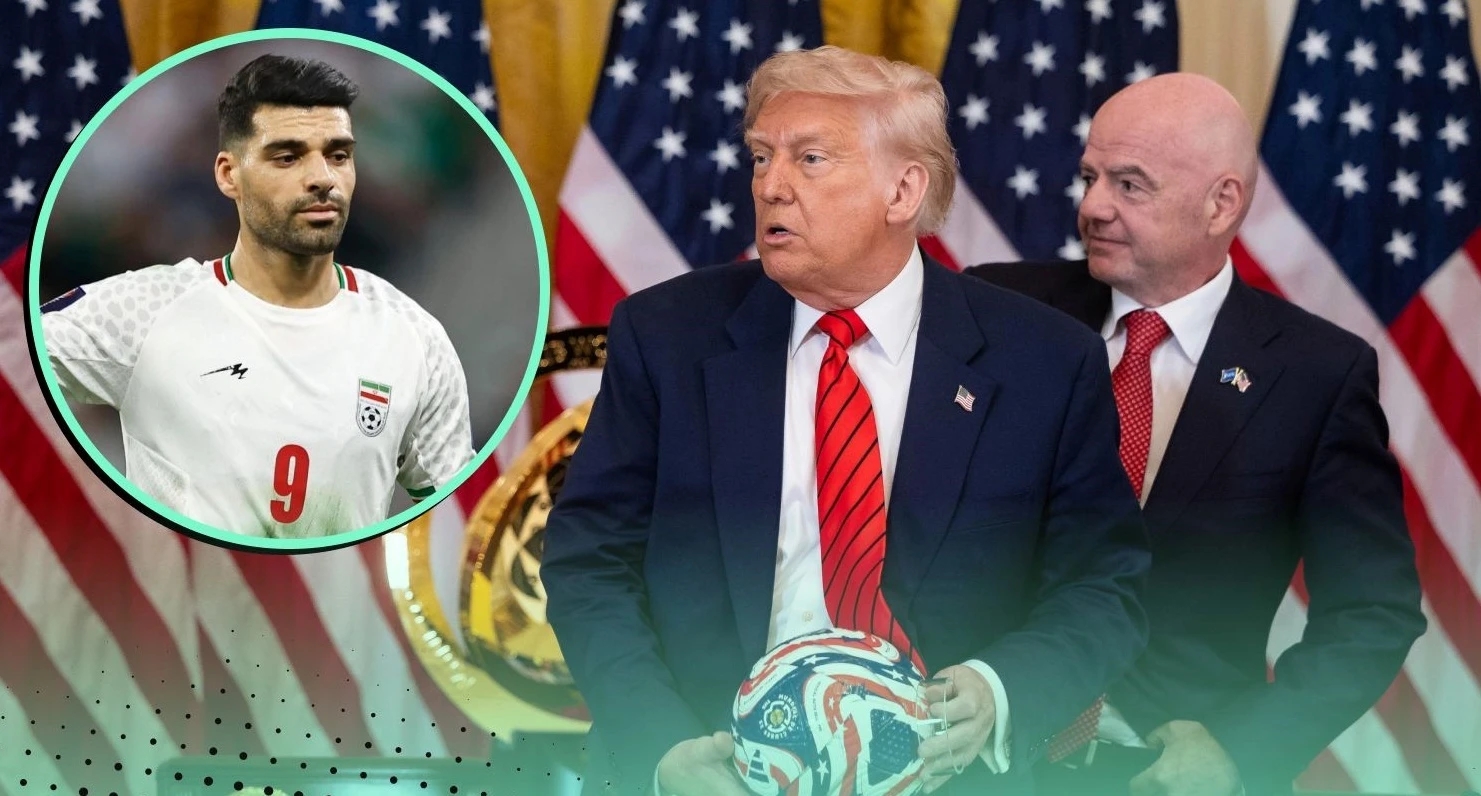
For years, FIFA has stood by a principle that sounds noble: football should not be influenced by non-sporting factors. But over time, that principle has started to feel more like an ideal than a reality.
The situation surrounding Iran is a perfect stress test. If FIFA take a hard line, they risk accusations of unfairness. If they take a softer approach, their credibility and the precedent they set will be questioned.
World Cup 2026 is not just a tournament. It’s a global product tied to politics, economics, and diplomacy. And with the event being hosted in major power centers like the United States, Canada, and Mexico, the boundary between sport and everything else becomes even more fragile.
The players are the ones who lose the most
Amid all the debate, the people who stand to lose the most are the Iranian players themselves. For many, the World Cup is not just another tournament, but the peak of an entire career. Some wait a lifetime for a single chance to step onto that stage.
If that dream ends not because of defeat on the pitch, but because of factors beyond football, it’s a kind of heartbreak that doesn’t fade easily.
World Cup 2026 and a question bigger than football
If Iran’s absence becomes reality, it won’t be just a “problem” for one World Cup. It will highlight a deeper truth: modern football is finding it harder and harder to stay clear of the world’s bigger storms.
The World Cup is meant to be the purest celebration of the sport. Yet World Cup 2026, even before it begins, risks being pulled into controversies far beyond the grass of the pitch.
And perhaps that is what leaves football fans feeling the most unsettled of all.
Read original post on: //mentrending.com/if-iran-is-absent-can-the-2026-world-cup-still-be-a-complete-festival/