


When “retro” stops meaning old — and starts meaning style
If you’ve been paying attention to interiors lately, you’ll notice two clear directions:
One: ultra-minimal, cold white and gray spaces.
Two: bold colors, soft shapes, and personality from past decades.
Nytillverkad lives fully in the second camp.
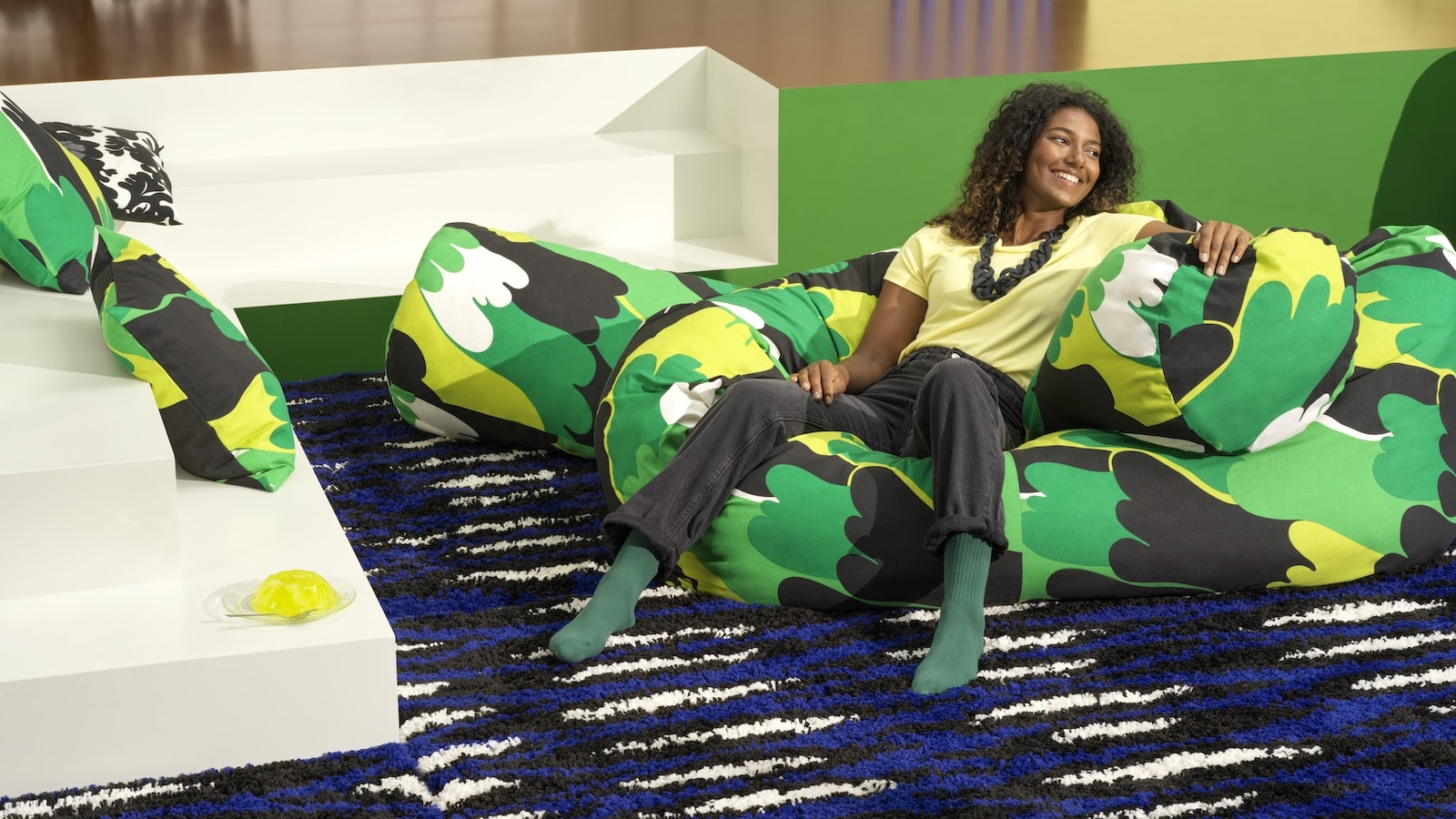
Home décor communities point out that the most obvious traits of this collection are:
Rounded, soft forms that feel welcoming
Colors with personality, not washed-out neutrals
Pieces that instantly become focal points in a room
This isn’t furniture that “blends in.” It’s furniture that says something about the person who lives there.
The ’60s–’70s spirit — without feeling outdated
What makes this collection work so well is that IKEA didn’t simply dig old blueprints out of storage and run them again. Instead of copying vintage pieces as museum replicas, they reinterpreted them. The goal wasn’t nostalgia for nostalgia’s sake — it was bringing the feeling of that era into homes that function very differently today.
That approach means two things happened at the same time:
- The original design DNA stays intact — the shapes, the attitude, the personality.
- But the scale, materials, and day-to-day usability are updated for modern spaces and modern habits.
Homes in the 1960s and 1970s weren’t set up the way ours are now. Today we live in smaller apartments, multi-use rooms, and open layouts. Furniture has to handle lounging, working, scrolling, hosting friends, and binge-watching — sometimes all in the same spot. Nytillverkad pieces are adjusted to fit that reality without losing their retro soul.
The original era these designs come from was famous for a few defining ideas:
- Comfort came first — furniture was meant to be used, not just admired.
- Playfulness mattered — color, curves, and softness replaced rigid, formal lines.
- Living spaces were about relaxing — sitting, stretching out, and actually enjoying being at home.
That mindset carries through clearly here. People who’ve tried the chairs often describe the same experience: you sit down “just for a second” — and end up staying way longer than planned. The proportions, cushioning, and supportive shapes make them feel inviting instead of stiff or staged.
Most importantly, these pieces avoid the classic trap of statement furniture: looking amazing but feeling uncomfortable after ten minutes. Nytillverkad designs don’t come off as fragile showpieces or “don’t-touch” décor. They’re built for real life — movie nights, long conversations, lazy weekends — which is exactly what the best furniture from the ’60s and ’70s was always about.
The “legend” pieces making a comeback
BAGGBODA – the modern heir to CROMI
This side table traces back to a design by Karin Mobring, IKEA’s first female designer.
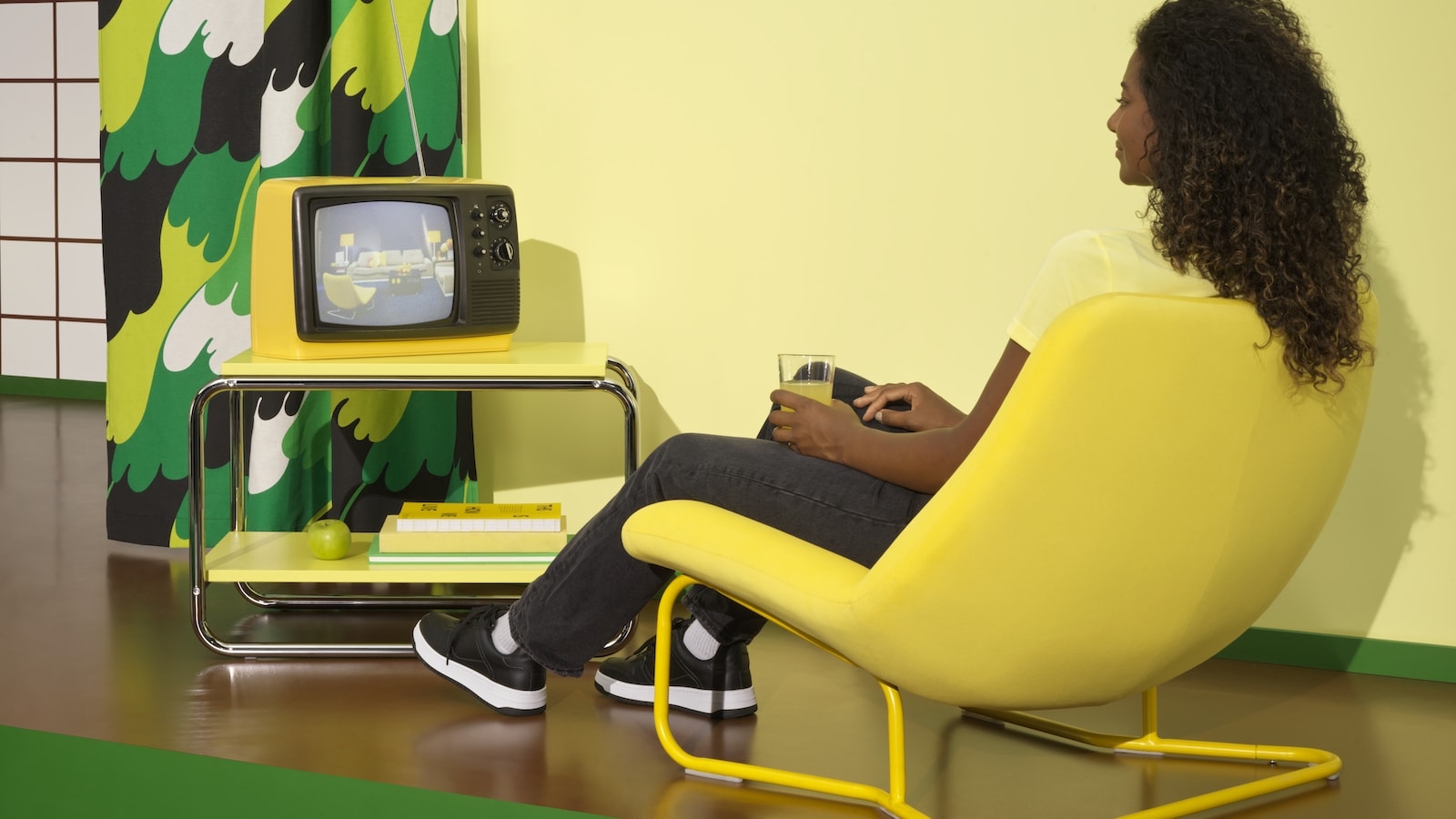
The new version keeps:
A compact footprint
Flexible, easy-to-move functionality
But it fits better in today’s smaller homes. People love using it as:
A sofa side table
A nightstand
A table for a reading corner
It’s the kind of small piece that works almost anywhere.
DYVLINGE – from MILA chair to swivel icon
Originally created by legendary IKEA designer Gillis Lundgren, the design that inspired today’s DYVLINGE chair has been reintroduced with a smart, contemporary twist. What was once the MILA chair has evolved into a swivel version, and that upgrade completely changes how the piece works in everyday life.
This isn’t just a reissue for nostalgia’s sake. IKEA kept the recognizable silhouette and mid-century personality, but adapted the functionality for how people actually live today. The swivel base makes the chair feel more dynamic and interactive — perfect for open-plan living rooms, reading corners, or relaxed work-from-home setups where you want flexibility without sacrificing style.
What users consistently love about it
One of the first things people mention is the comfort. The seat has that supportive, body-hugging feel that makes you settle in almost immediately. The backrest curves in a way that feels intentional, not just stylish. It supports your posture while still giving that laid-back lounge vibe the late ’60s and early ’70s were known for.
Visually, DYVLINGE delivers a strong mid-century look without feeling like a museum piece. The shape, proportions, and overall attitude give off clear retro design language, but it blends surprisingly well into modern interiors. Whether the space leans minimalist, Scandinavian, eclectic, or even slightly industrial, this chair doesn’t feel out of place. Instead, it often becomes a focal point — the piece guests notice and ask about.
There’s also that hard-to-explain emotional factor. Owners often describe it as the chair that becomes their chair. The one you naturally gravitate toward after a long day. The one you read in, scroll in, think in, or just zone out in. It doesn’t feel like “don’t sit there” furniture. It feels lived-in, approachable, and personal.
Why the swivel update matters
The swivel function adds a layer of usability the original design didn’t have. You can turn toward conversation, face the TV, look out a window, or pivot toward a side table without awkward shuffling. That movement makes the chair feel more integrated into daily routines, not just parked in a corner as a style statement.
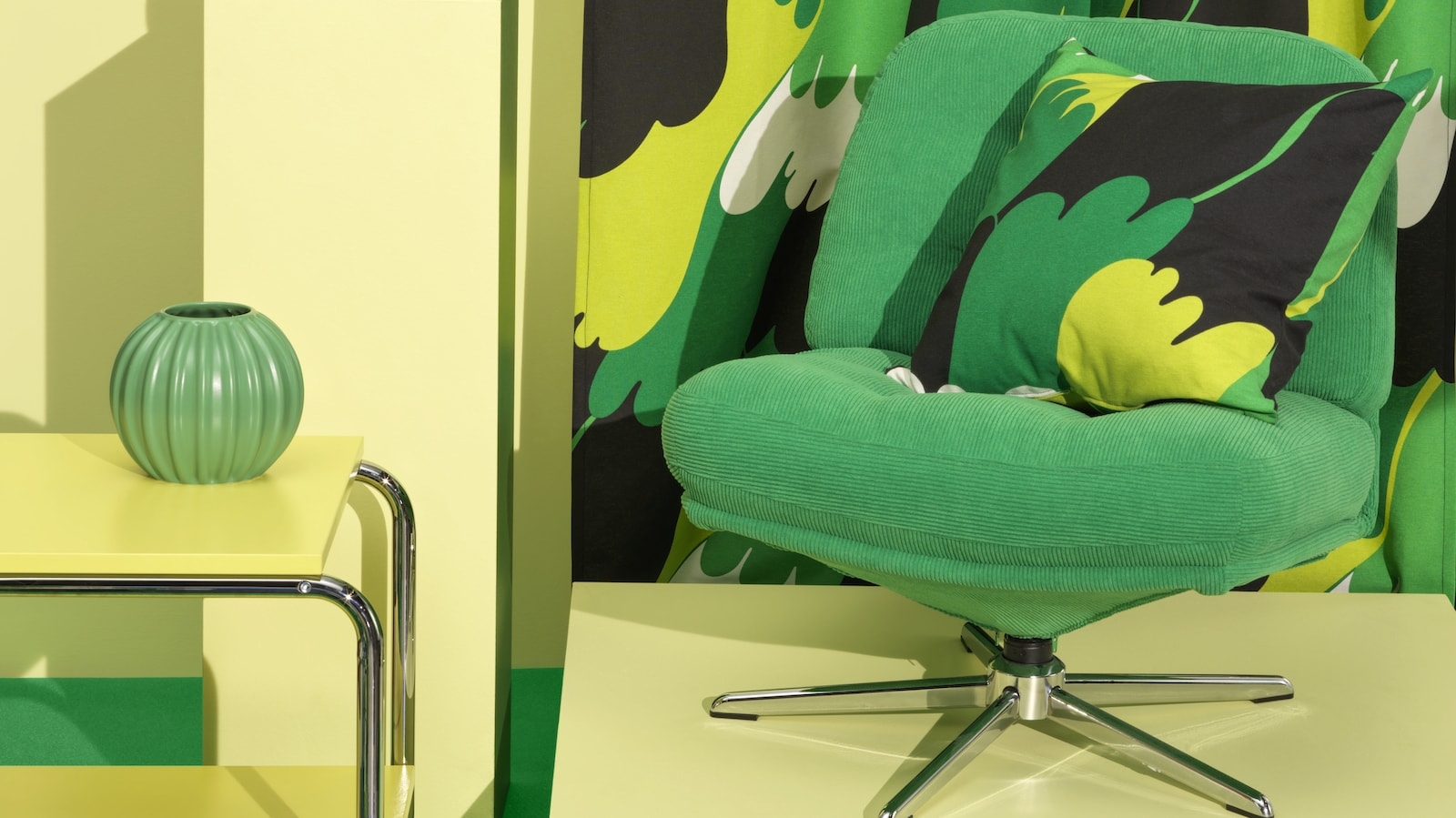
In short, DYVLINGE captures the soul of its original design era — comfort-first, relaxed, human-centered — while quietly solving modern needs. It’s nostalgic, yes, but also fresh, practical, and surprisingly versatile. Exactly the kind of piece that proves good design doesn’t age — it just evolves.
SOTENÄS – the armchair you sink into
A revival of the 1969 PUCK chair.
The community description in one word: comfy.
Wide seat
Deep sit
Perfect for living rooms, reading corners, or lazy weekend lounging
It’s not just chairs and tables
While seating pieces tend to get most of the attention, the collection goes far beyond chairs and tables. Several supporting items play a big role in shaping the overall atmosphere of a room, and they carry the same design DNA that defines the rest of the line.
Among them are the BULLERREMSA and STOENSE rugs, which do more than just cover the floor. These rugs help ground a space visually and soften the bold lines of retro-inspired furniture. Their textures and patterns echo the playful yet relaxed spirit of late ’60s and early ’70s interiors, adding warmth without overwhelming the room. Users often note that these rugs make spaces feel more inviting and less “styled,” creating a lived-in look that still feels intentional.
The collection also features compact seating options like the HOLMSJÖ and DOMSTEN stools. These pieces are practical, but they’re not boring utility items. Their silhouettes are simple yet distinctive, making them easy to move around and repurpose. They can act as extra seating for guests, casual side tables, or flexible pieces in small apartments where furniture needs to multitask. People appreciate that they’re lightweight and functional while still contributing to the overall visual identity of the space.
Another standout accessory is the BONDSKÄRET coat stand. Instead of disappearing into the background, it acts almost like a sculptural element. The design is straightforward, but the proportions and shape give it personality. In entryways, bedrooms, or even studio spaces, it becomes both a storage solution and a subtle design statement.
What ties all these pieces together
Across these different categories, the shared design language is clear. The shapes are confident and easy to read, with strong outlines and uncomplicated forms. There’s a sense of boldness, but not in a loud or flashy way. It’s more about clarity — pieces that know what they are and don’t try to be overly complex.
They also carry a distinct retro character, yet they avoid feeling dated. Instead of looking like vintage replicas, they feel like modern interpretations of classic ideas. That balance makes them easier to live with long-term, especially in homes that mix different styles.
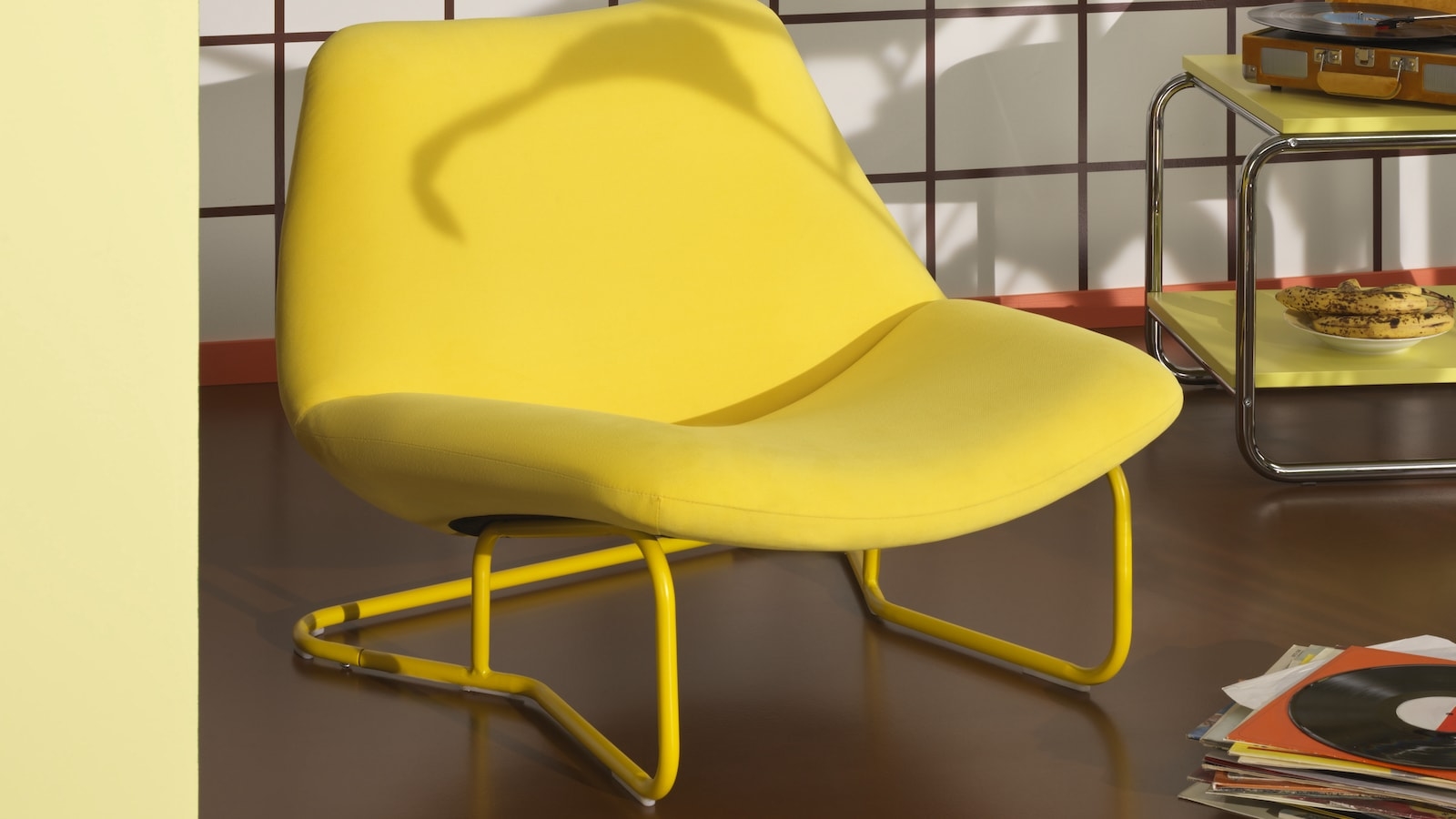
Perhaps most importantly, these items integrate smoothly into contemporary interiors when styled thoughtfully. Paired with neutral walls, modern lighting, or minimal décor, they add personality without clashing. They’re the kinds of supporting pieces that help a room feel layered, relaxed, and human — not like a showroom set frozen in time.
Why people are into this collection
Across interior design groups, a few reasons come up again and again:
It gives a space personality fast
You don’t need tons of décor to make a room interesting
It feels fun and relaxed, not stiff or overly serious
It works especially well for:
Young apartments
Creative studios
Homes of people who like color and expressive design
Standout strengths
Designs with history and real stories behind them
Shapes that feel different from “basic” IKEA furniture
Actually comfortable to use
Strong visual impact in a space
Things to consider
Not ideal for people who love ultra-minimal spaces
If you mix colors poorly, it can feel visually busy
Some pieces are strong “statement” items — wrong placement can look out of place
In plain terms
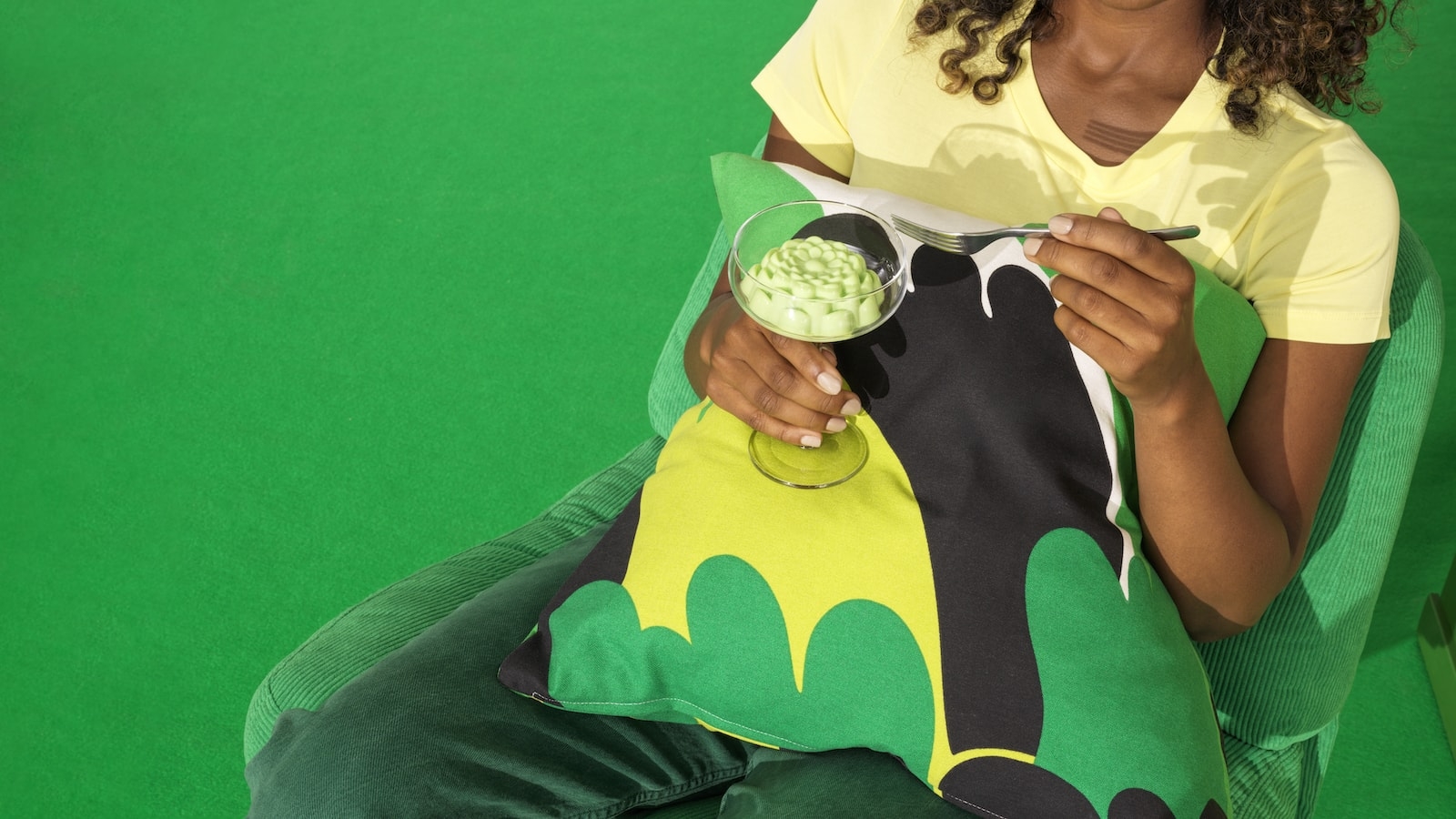
Nytillverkad isn’t “safe” furniture. It’s for people who:
Want personality in their home
Aren’t afraid of color and unusual shapes
Love a nostalgic vibe but live in a modern space
It’s like adding a little funk music to your room. Not everyone’s taste — but if it clicks with you, you’ll love it at first glance.
Read original post on: //mentrending.com/ikea-nytillverkad-60s-70s-furniture-is-back-and-this-time-its-retro-done-right/