


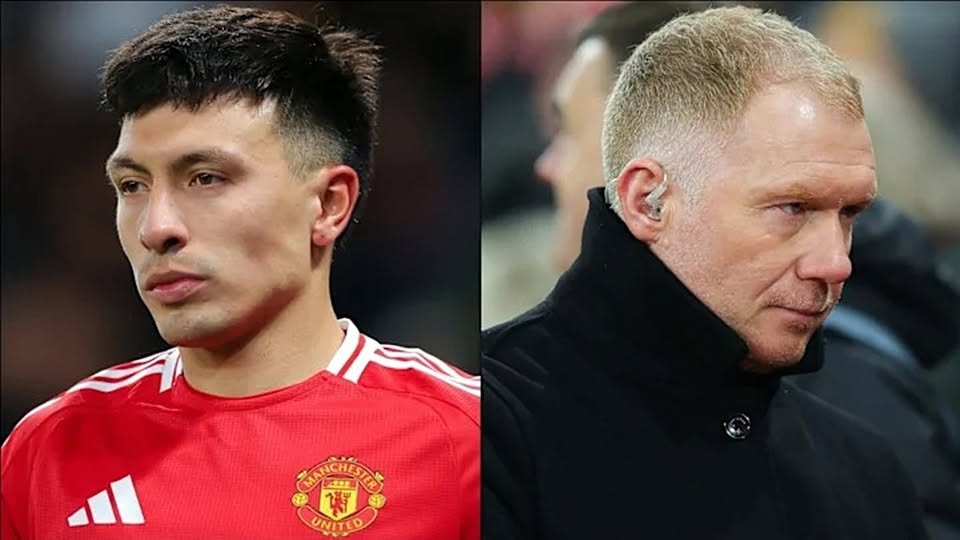
A 2–0 win over Manchester City should have been a perfect night for United. A derby victory, Old Trafford roaring, and Martinez delivering a near-flawless performance against Erling Haaland. But a few post-match comments were enough to shift the mood entirely.
Lisandro Martinez fired back at jokes made by Nicky Butt and Paul Scholes on a podcast. His message was simple: it’s easy to talk, but face to face, no one says anything. A response very much in Martinez’s style—direct, sharp, and unapologetic.
And just like that, tension surfaced.
Butt and Scholes later praised Martinez’s performance, while also suggesting that United players need to have “thicker skin” and shouldn’t take comments too personally. On the surface, that sounds reasonable. But if you put yourself in the shoes of a player carrying immense pressure at Old Trafford, those “jokes” coming from club legends are not so easy to brush aside.
This isn’t a new story. It’s merely the visible tip of a long-standing relationship between Manchester United and the Class of ’92.
Giggs, Scholes, Beckham, Butt, the Neville brothers—these names are more than former players. They are symbols. They are the foundation of the Sir Alex Ferguson era, the 1999 treble, the Manchester United that once made Europe tremble. Over 3,400 matches, countless trophies, and a legacy so heavy that every generation since has had to live in its shadow.
After retirement, they never truly left United. Some stepped in as interim coaches, others worked in the academy, many became regular voices in the media, on podcasts, or in business ventures around Old Trafford. They remain ever-present, part of the “United family” in the truest sense.
But that’s precisely the problem. Their comments are no longer just football analysis—they sound like judgments from the past directed at the present.
For current players—especially someone like Martinez, who didn’t come to United to inherit memories but to create a new identity—that can be grating. They never played under Sir Alex. They operate in a very different Manchester United: more chaotic, under heavier scrutiny, and with far less patience.
The gap keeps widening. On one side is a generation that won everything and grew accustomed to the idea of “this is how United should be.” On the other are players trying to rebuild the club in a new era, where social media, podcasts, and nonstop media attention dissect every touch of the ball.
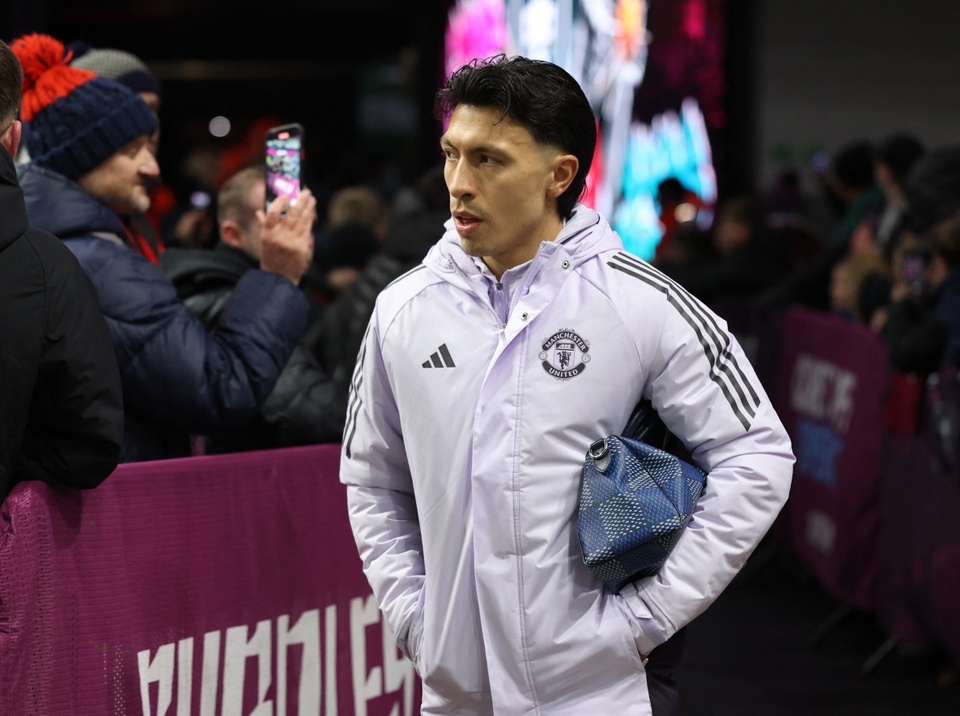
Martinez’s reaction wasn’t disrespect. It was a natural response from a player who feels constantly compared, constantly judged by those who stood at the summit for too long.
United’s leadership can rightly say that ties with the Class of ’92 remain strong. That may be true. But strong ties don’t mean there are no cracks.
Sometimes, all it takes is a comment meant as a joke for the distance between past and present to become painfully clear. And perhaps that’s the question United still haven’t answered: how to honor their legacy without letting it become a burden on those trying to write the next chapter of the club’s history.
Read original post on: //mentrending.com/when-manchester-united-and-its-legends-no-longer-speak-with-one-voice/