


There was a small but telling moment in Amorim’s recent press conference. Asked about the role of sporting director Jason Wilcox in vetoing transfer targets, he neither explained nor denied it, nor did he try to dodge the question politely. Amorim simply said: “I don’t want to talk about that. You’re smart enough to understand.”
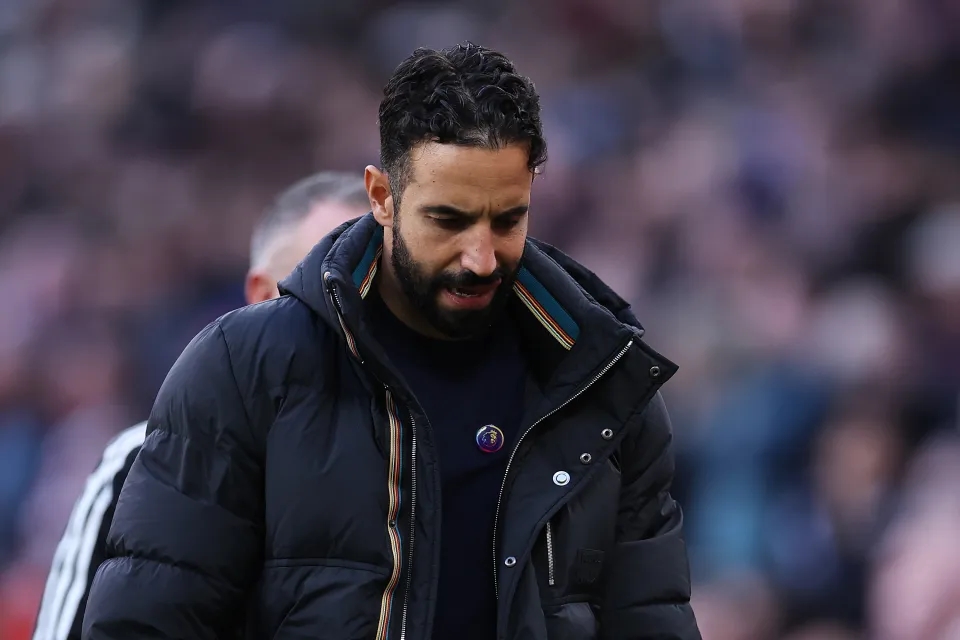
In football, statements like that are rarely meaningless. More often than not, they are the first signal that a relationship is beginning to crack.
When a manager starts speaking in hints
Amorim is not the type of coach who publicly applies pressure. At Sporting, he was known for being composed and extremely disciplined in controlling the message. That is why his irritated tone, curt answers, and repeated avoidance of transfer-related questions suggest a frustration that has been building for some time.
The Portuguese manager has all but extinguished hopes of January reinforcements. No promises. No short-term plan. Just a cold acceptance of reality.
Before Christmas, Amorim openly admitted that Manchester United lack both the money and the time to properly implement the 3-4-3 system he prefers. “To play the right way, you need a lot of money and a lot of time. I’m starting to understand that won’t happen. Maybe I have to adapt.”
That was not a complaint. It was the voice of someone recalibrating expectations — downward.
A more fragile United than the table suggests
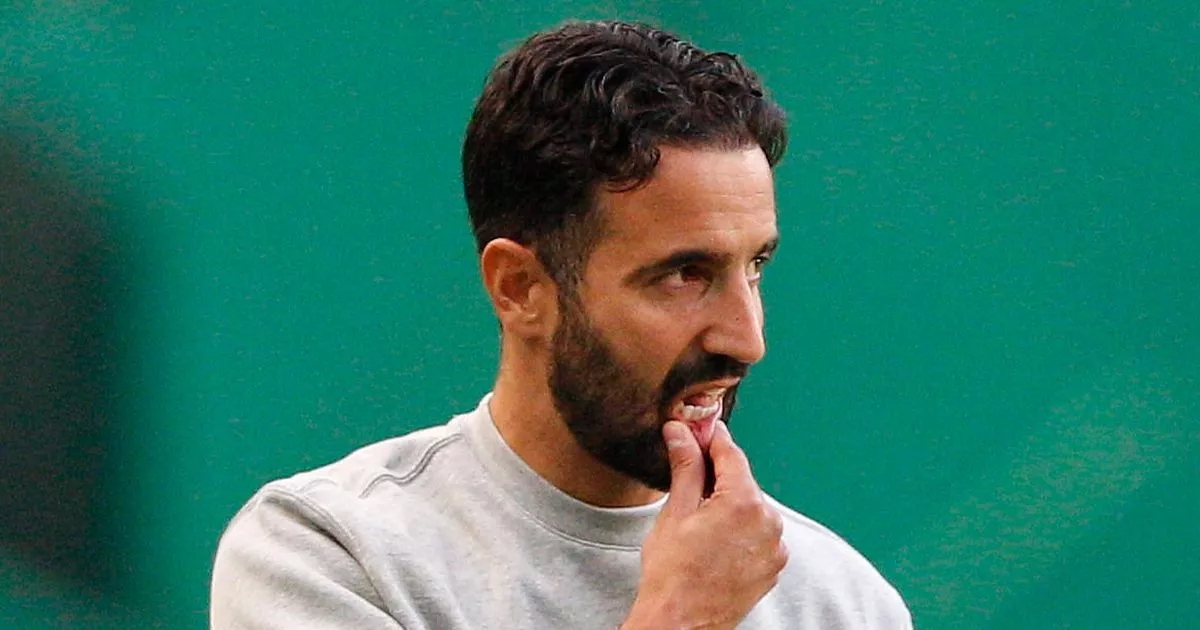
Sixth place in the Premier League does not tell the full story. A look at the injury list reveals a squad held together by what remains.
Bruno Fernandes, Mason Mount, and Kobbie Mainoo are injured. Mbeumo, Amad, and Mazraoui are away at AFCON. In the draw against Wolves, United’s bench had an average age of around 20. That is not a statistic to boast about; it is a warning sign of a lack of depth.
In that context, failing to strengthen in January effectively forces the manager to “make do” during one of the most punishing stretches of the season.
Not just money — but decision-making power
According to sources, Amorim and the United hierarchy have held discussions this week. The reality, however, is that spending power is close to nonexistent. The club is prioritizing a long-term summer plan and is reluctant to sell more players just to balance the books.
On paper, that makes sense. But for a new manager who arrived with a clear philosophy and expectations of serious reform, being boxed in during his very first transfer window is a hard pill to swallow.
The issue is not simply whether United buy players or not. It is whether Amorim feels that his voice truly carries weight.
Old Trafford and a familiar dilemma
This tension comes at a sensitive moment, just before a risky trip to Elland Road, where Leeds are in strong form. One poor result could amplify the noise far beyond what is necessary.
Manchester United have been through too many cycles where the relationship between manager and hierarchy fractures before the playing identity has time to take shape. Mourinho, Solskjær, and Ten Hag all experienced it.
Amorim arrived with the hope of breaking that loop. Yet his recent comments suggest that Old Trafford is once again facing the same old question: who is really steering the project?
If common ground is not found soon, the atmosphere at Old Trafford may not just become turbulent — it could turn truly suffocating.